
As autumn arrives in Elgin, Illinois, homeowners throughout Kane County begin preparing their properties for the cooler months ahead. While many residents focus on raking leaves and cleaning gutters, fall presents an ideal opportunity to conduct a comprehensive security assessment of your home. The transition from summer to winter can expose vulnerabilities in your home's security system, particularly when it comes to locks, doors, and entry points that may have deteriorated over the warmer months.
Elgin's diverse neighborhoods, from historic homes near the Fox River to newer developments, each present unique security considerations. Temperature fluctuations common to our area can affect lock mechanisms, door frames can shift with seasonal changes, and increased darkness during evening hours creates new security challenges. This comprehensive guide will walk you through essential security checks every Elgin homeowner should complete this fall to ensure their property remains protected throughout the winter months.
Inspect All Exterior Door Locks and Hardware
Your home's first line of defense against intruders is the quality and condition of your exterior door locks. Fall is the perfect time to thoroughly evaluate each entry point to your home.
Begin by testing every exterior lock, including front doors, back doors, garage entry doors, and any side entrances. Turn each key and pay attention to how smoothly the mechanism operates. If you notice any sticking, grinding, or resistance, the lock may need lubrication or replacement. Locks that have been exposed to summer humidity and temperature extremes often accumulate debris or develop internal corrosion that becomes apparent when temperatures drop.
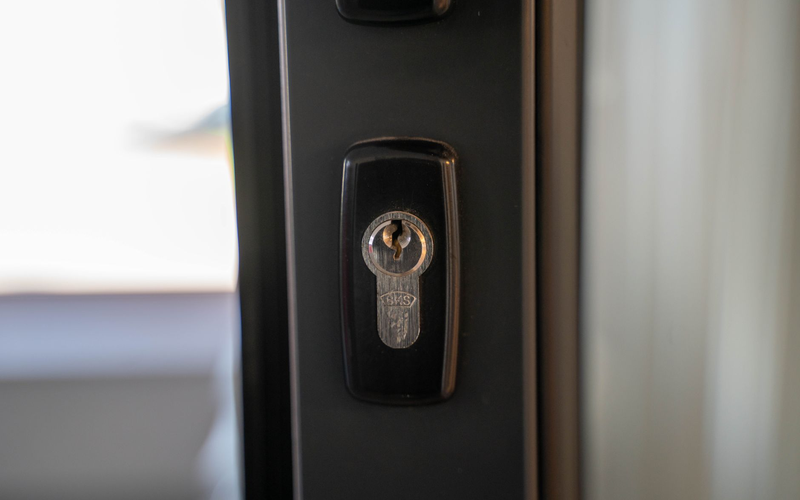
Examine the strike plates on each door frame. These metal plates should be securely fastened with screws at least three inches long that reach into the door frame's structural studs. Many builder-grade installations use short screws that only penetrate the door jamb, making forced entry much easier. Upgrading to longer screws is an inexpensive security improvement that significantly increases resistance to kick-ins.
Check deadbolts to ensure they extend at least one inch into the door frame when locked. Deadbolts should operate smoothly without excessive force. If family members struggle to lock or unlock deadbolts, the issue could indicate misalignment caused by settling foundations or warped door frames—common problems in Elgin's older homes.
Evaluate Door Frames and Weatherstripping
Even the most secure lock becomes ineffective if the door frame is compromised. Carefully inspect wooden door frames for signs of rot, particularly at the bottom corners where moisture tends to accumulate. Elgin's freeze-thaw cycles can accelerate wood deterioration, creating soft spots that make forced entry easier.
Press firmly against door frames near the lock area. Solid frames should not flex or give under pressure. Any movement indicates potential structural weakness that criminals can exploit. Consider reinforcing vulnerable frames with security plates or replacing deteriorated sections before winter.
Weatherstripping serves dual purposes: it improves energy efficiency and can indicate door alignment issues. Examine weatherstripping around all exterior doors. Gaps, tears, or compressed sections suggest the door may not be closing properly, which can affect lock engagement. Replace worn weatherstripping and adjust door closers to ensure doors seal completely when shut.
Test All Window Locks and Latches
Windows are frequently overlooked entry points that deserve careful attention during your fall security inspection. Many Elgin homes feature a mix of window styles, each with different locking mechanisms.
Systematically check every window lock in your home, including basement windows that are often forgotten. Slide locks should engage firmly, and keyed window locks should turn smoothly. Single-hung and double-hung windows should have functioning sash locks that pull the two window sections together tightly.
Basement windows deserve special attention. These ground-level access points are particularly vulnerable to break-ins. Ensure basement window wells are clear of debris that could conceal an intruder, and verify that locks are functional. Consider adding window security bars or glass break sensors to basement windows for additional protection.
For sliding windows and patio doors, place a wooden dowel or security bar in the track as a secondary security measure. Even if the lock is compromised, the door or window cannot slide open past the blocking device.
Assess Garage Security Systems
Garages represent one of the most vulnerable entry points in modern homes, yet many homeowners neglect garage security. If your garage connects to your home's living space, securing it becomes critical.
Test your automatic garage door opener monthly by attempting to lift the door manually while it's closed. The door should resist opening, indicating the locking mechanism is engaged. Inspect the emergency release cable to ensure it cannot be accessed from outside through a broken window or gap at the top of the door. Criminals have developed techniques to trigger these releases using wire hangers.
Examine the door between your garage and home interior. This entry should have the same security features as any exterior door: a solid core or metal construction, a quality deadbolt, and a sturdy frame. Many homeowners mistakenly treat this as an interior door, installing hollow-core doors with simple knob locks—a significant security vulnerability.
If your garage has windows, apply frosting film or curtains to prevent outsiders from seeing when vehicles are gone, which signals an empty home. Consider upgrading to smart garage door openers that send alerts when the door operates, helping you track access even when you're away.
Review Outdoor Lighting and Visibility
As daylight hours shrink throughout fall, outdoor lighting becomes increasingly important for home security. Well-designed lighting eliminates hiding spots and deters potential intruders who prefer to work in darkness.
Walk around your property at dusk to identify dark areas near entry points, walkways, and driveways. Install motion-activated lights at all entrances, including side doors and basement access points. Position lights high enough to prevent tampering but angled to eliminate shadows where someone could hide.
Replace burned-out bulbs in existing fixtures and consider upgrading to LED bulbs, which last longer and perform better in cold weather—an important consideration for Elgin winters. Smart lighting systems allow you to program lights to turn on and off at varying times, creating the appearance of occupancy even when you're traveling.
Trim overgrown shrubs and tree branches that block sight lines from the street or obscure windows and doors. While landscaping provides privacy, it should not create concealment opportunities for intruders. Maintain clear zones around all ground-floor windows and entry points.
Check Smart Locks and Electronic Security Systems
If your home uses smart locks or electronic security systems, fall maintenance ensures these devices function reliably through winter's challenging conditions.
Replace batteries in electronic locks before cold weather arrives. Battery performance degrades in freezing temperatures, and discovering dead batteries during a winter storm creates unnecessary stress. Most smart locks alert you when battery levels are low, but proactive replacement eliminates this concern.
Update firmware on smart locks and security systems. Manufacturers regularly release updates that patch security vulnerabilities and improve performance. Schedule these updates during daylight hours when you can address any issues that arise.
Test all sensors, including door and window contacts, motion detectors, and glass break sensors. Verify that your security system's monitoring station receives signals correctly. Seasonal testing identifies faulty equipment before you depend on it during the holidays when break-ins typically increase.
Review access codes and delete any temporary codes you created for contractors, house sitters, or seasonal workers. Update your primary codes if they haven't been changed in over six months, and ensure all family members remember the current codes.
Inspect Sliding Door Security
Sliding glass doors provide beautiful views and easy patio access but present unique security challenges that require specific attention during fall inspections.
Lifting is a common technique burglars use to remove sliding doors from their tracks. Adjust the height of your sliding door so it fits snugly in the frame with minimal vertical play. Install anti-lift devices—small blocks or pins that prevent the door from being lifted out of the track.
Examine the locking mechanism on your sliding door. Standard latches offer minimal security. Upgrade to a multipoint locking system or add a secondary security bar that spans the entire door width. These devices prevent the door from sliding even if the primary lock is defeated.
Check the door's rollers and track. Smooth operation indicates proper alignment, while difficulty sliding suggests adjustment is needed. A poorly aligned door may not lock completely, leaving gaps that compromise security.
Evaluate Key Control and Access Management
Fall is an excellent time to assess who has access to your home and ensure you maintain control over your keys.
Account for all keys to your home. Do you know where every copy is? Have you given keys to contractors, former roommates, or service providers who no longer need access? Consider rekeying your locks if you cannot account for all key copies or if your home has recently changed ownership.
Create a master key inventory that tracks which family members, trusted neighbors, or service providers hold keys. This documentation proves valuable if you need to revoke access or if a key goes missing.
Avoid hiding spare keys in obvious locations like under doormats, in fake rocks, or above door frames—burglars check these spots first. Instead, entrust spare keys to reliable neighbors or invest in a high-security lockbox with a randomized combination that you can place in a discreet location.
For families with teenagers or elderly relatives, consider smart locks with unique access codes for each person. These systems create audit trails showing when each code was used, and codes can be activated or deactivated remotely as circumstances change.
Examine Lock Cylinders for Wear and Damage
Lock cylinders endure constant use and exposure to elements, making them susceptible to wear that compromises security over time.
Insert your key into each lock and note any looseness or play in the cylinder. Excessive movement indicates worn pins or springs inside the lock mechanism. These degraded components make picking easier and can eventually cause the lock to fail.
Look for scratches or damage around the keyhole, which might indicate tampering attempts. Fresh scratches or metal shavings near the lock suggest someone may have tried to pick or force the lock. If you discover evidence of tampering, replace the lock immediately and consider upgrading to high-security cylinders with pick-resistant features.
Apply graphite lubricant to sticky locks rather than oil-based products. Graphite doesn't attract dust and debris like oil does, keeping lock mechanisms cleaner longer. Insert the key several times after application to distribute lubricant throughout the cylinder.
Assess Overall Property Security Strategy
Beyond individual components, effective home security requires a comprehensive strategy that addresses multiple protection layers.
Consider your home from a criminal's perspective. Walk around your property and identify the easiest entry points. Would you choose the back door hidden by overgrown bushes? The basement window obscured by landscaping? The side gate with a broken lock? Addressing the most obvious vulnerabilities significantly improves overall security.
Evaluate your daily security habits. Do family members consistently lock doors when leaving, even for brief errands? Are windows locked at night? Does everyone arm the security system? The best hardware fails to protect if household members don't use it consistently.
Document your home's contents with photographs or video for insurance purposes. While not directly related to locks, this inventory becomes invaluable if a break-in occurs despite your security measures. Store documentation securely off-site or in cloud storage.
Prepare for Holiday Security Challenges
Fall preparation should account for the unique security challenges the upcoming holiday season brings to Elgin homeowners.
Package theft increases dramatically during the holiday shopping season. Consider installing a secure package delivery box or arranging deliveries to occur when someone is home. Smart doorbells with cameras help monitor porch activity and provide evidence if theft occurs.
Holiday travel creates extended periods when homes sit empty—prime opportunities for burglars. Develop a security plan that includes stopping mail delivery, arranging for snow removal to maintain the appearance of occupancy, and using light timers to simulate normal activity patterns.
Avoid advertising your absence on social media. Posts about upcoming trips or real-time vacation updates inform potential burglars that your home is unoccupied. Save the vacation photos for after you return home.
Creating an Emergency Locksmith Plan
Even with thorough fall preparation, lock-related emergencies can occur. Developing a plan before you need it prevents panic and poor decisions during stressful situations.
Research reputable locksmiths in Elgin before an emergency arises. Scammers exploit people in crisis, advertising extremely low prices then demanding inflated fees once they arrive. Establish a relationship with a trusted local locksmith who offers 24/7 emergency services and provides transparent pricing.
Save your chosen locksmith's contact information in your phone and share it with family members. During a lockout or security breach, you won't need to search online and risk selecting a disreputable provider.
Understand what constitutes a true emergency requiring immediate locksmith services: lockouts, broken keys stuck in locks, malfunctioning locks that won't secure your home, or evidence of attempted break-ins. Less urgent issues like rekeying or upgrading locks can be scheduled during regular business hours, often at lower rates than emergency calls.
Understanding When to Call Professional Locksmith Services
While many fall security checks are manageable for handy homeowners, certain situations require professional locksmith expertise.
Call a professional locksmith when locks stick or require excessive force to operate. What seems like a minor inconvenience might indicate internal damage that will worsen over time, potentially leaving you locked out during winter weather.
If you discover evidence of tampering or attempted break-ins, contact a locksmith immediately to assess damage and recommend security upgrades. Professional locksmiths can identify subtle signs of compromise that homeowners might overlook.
When moving into a previously owned home in Elgin, always have the locks rekeyed or replaced, regardless of assurances from previous owners. You cannot know how many key copies exist or who might have access.
Upgrading to high-security locks, installing smart lock systems, or adding commercial-grade hardware requires professional installation to ensure proper function and maintain warranty coverage. Improper DIY installation can actually decrease security and create new vulnerabilities.
Don't Be a Victim of a Locksmith Scammer
Unfortunately, the locksmith industry attracts scammers who prey on people during emergencies. Protecting yourself from fraudulent locksmiths is as important as securing your home.
Legitimate locksmiths arrive in marked vehicles with company branding and carry proper identification. They provide specific pricing before beginning work and don't demand cash-only payment. Be wary of anyone who arrives in an unmarked vehicle, refuses to show credentials, or significantly increases the quoted price after arrival.
Request specific pricing over the phone, including trip charges, labor rates, and typical costs for common services like rekeying or lock replacement. Reputable locksmiths provide clear estimates and explain any factors that might affect final costs.
Verify the locksmith's business address and avoid companies that only list a P.O. box or provide no physical location. Check online reviews across multiple platforms to gauge reputation, but remember that scammers create fake reviews. Look for detailed reviews that mention specific experiences rather than generic praise.
Understanding Locksmith Costs and Avoiding Price Gouging
Knowing reasonable price ranges for locksmith services helps you recognize when you're being overcharged.
Standard lockout services typically range from $75 to $150 during business hours, with emergency after-hours calls commanding premium rates. Rekeying costs usually run $20 to $30 per lock when multiple locks are serviced at once. Complete lock replacement varies based on hardware quality but generally ranges from $100 to $250 per lock installed.
Beware of advertised rates that seem too good to be true—they usually are. Scammers advertise $15 or $19 locksmith services, then claim your specific situation requires specialized equipment or high-security solutions, inflating the final bill to hundreds of dollars.
Establish the total cost, including all fees, before authorizing work. Reputable locksmiths provide written estimates and obtain your approval before proceeding. Never feel pressured to accept services you don't need or prices that seem excessive.
Conclusion
Protecting your Elgin home requires vigilance and proactive maintenance, particularly as seasons change. This fall, take time to systematically evaluate your property's security, addressing vulnerabilities before winter weather makes repairs more challenging. From testing locks and inspecting door frames to upgrading outdoor lighting and establishing emergency plans, each step strengthens your home's defenses against potential intruders.
Remember that home security is an ongoing process, not a one-time task. Schedule regular seasonal inspections to identify emerging issues before they compromise your family's safety. When you discover problems beyond your expertise or need professional guidance on security upgrades